


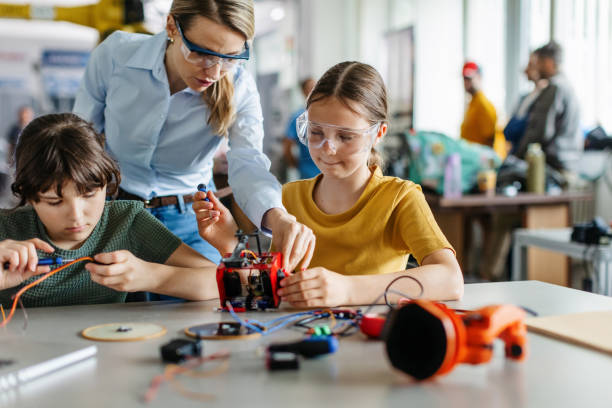
Technology has become an essential part of modern education. Whether learning takes place in a traditional classroom, a virtual environment, or through hybrid teaching, digital tools help simplify daily tasks while making lessons more engaging. Teachers are constantly looking for practical resources that save time, encourage participation, and improve classroom management. Students, on the other hand, benefit from tools that make learning more interactive, organized, and enjoyable.
Free tools for teachers and students have transformed the educational experience by providing access to resources that were once expensive or difficult to use. From classroom organization and random name selection to image optimization and productivity utilities, online educational tools help users accomplish more with less effort.
Platforms such as ClassTools24 bring together a collection of easy-to-use online tools designed to support educators, learners, and educational institutions. Instead of downloading complicated software, users can access practical utilities directly from their web browser, making everyday educational tasks faster and more efficient.
Why Free Educational Tools Matter
Schools and educational institutions often work within limited budgets. Purchasing multiple software subscriptions for every classroom may not always be practical. Free online tools eliminate many of these financial barriers while still offering valuable functionality.
Teachers can prepare lessons more efficiently, organize classroom activities, and manage students without investing in expensive applications. Students can complete assignments, collaborate with classmates, and improve their digital skills using accessible online resources.
Some of the biggest advantages include:
- No software installation required
- Easy access from different devices
- Reduced educational costs
- Faster classroom preparation
- Improved collaboration
- Greater student engagement
- Simple and user-friendly interfaces
These advantages make free educational tools suitable for schools, colleges, universities, tutoring centers, and homeschooling environments.
Supporting Interactive Learning
Traditional lectures alone are often not enough to keep students engaged throughout an entire lesson. Interactive learning encourages participation, discussion, and active problem-solving.
Online classroom tools can introduce variety into lessons by allowing teachers to randomly select students, organize teams, create classroom layouts, or prepare educational activities more efficiently. Free Tools for Teachers and Students provide practical online resources that help educators and learners complete daily classroom tasks more efficiently.
Interactive learning often leads to:
- Better student participation
- Increased attention during lessons
- Improved classroom communication
- Higher motivation
- Better knowledge retention
Students become active participants rather than passive listeners, creating a more dynamic learning environment.
Making Classroom Management Easier
Managing a classroom involves much more than teaching. Educators spend significant time organizing seating arrangements, selecting participants, preparing classroom activities, and managing resources.
Digital classroom tools simplify many administrative responsibilities.
For example, teachers can:
- Organize seating plans
- Randomly choose students to answer questions
- Create balanced classroom groups
- Prepare educational activities
- Manage classroom participation fairly
Reducing repetitive administrative work allows teachers to dedicate more time to instruction and student support.
Encouraging Fair Student Participation
One challenge many educators face is ensuring that every student has an equal opportunity to participate.
Random selection tools eliminate bias and encourage equal classroom involvement. Instead of repeatedly calling on the same students, teachers can allow a random selection process to choose participants fairly.
This approach helps:
- Increase classroom confidence
- Encourage shy students
- Promote equal participation
- Keep students attentive
- Make classroom activities more engaging
Students remain involved because everyone has an equal chance of being selected.
Improving Creativity in Education
Creativity is an important part of learning. Digital tools help teachers create more interesting classroom experiences while giving students opportunities to think critically and creatively.
Creative teaching methods may include:
- Interactive classroom games
- Group challenges
- Random brainstorming activities
- Educational competitions
- Visual presentations
- Collaborative learning exercises
Free online tools make these activities easier to organize and manage.
Helping Students Stay Organized
Students often balance multiple assignments, exams, projects, and extracurricular activities. Digital productivity tools help them remain organized throughout the academic year.
Useful online resources support students by allowing them to:
- Plan assignments
- Manage study schedules
- Organize classroom materials
- Prepare presentations
- Optimize digital files
- Improve productivity
Better organization reduces stress and helps students meet academic deadlines more consistently.
Supporting Teachers with Time-Saving Solutions
Teachers invest significant time outside classroom hours preparing lesson materials, grading assignments, and organizing educational resources.
Online tools reduce repetitive work by automating simple tasks.
Examples include:
- Random student selection
- Seating arrangement planning
- File optimization
- Image compression
- Classroom organization
- Educational utilities
Saving even a few minutes on daily administrative work can add up to many hours over an entire school year.
The Importance of Browser-Based Tools
One major advantage of browser-based educational tools is accessibility.
Users can access them from:
- Desktop computers
- Laptops
- Tablets
- Chromebooks
- Smartphones
Because these tools run online, there is usually no need for software installation, updates, or complicated setup procedures.
This flexibility supports both classroom teaching and remote learning.
Enhancing Digital Learning
Digital learning continues to expand across educational institutions worldwide. Students increasingly rely on technology for research, communication, assignments, and collaboration.
Free educational tools support digital learning by providing practical solutions for everyday academic activities.
Teachers can create more engaging lessons, while students gain experience using digital resources that prepare them for higher education and future careers.
Classroom Collaboration Made Simple
Modern education emphasizes collaboration rather than individual learning alone.
Online classroom tools support teamwork by helping teachers organize:
- Group activities
- Classroom discussions
- Collaborative projects
- Student presentations
- Team competitions
These collaborative experiences improve communication, leadership, and problem-solving skills.
Supporting Hybrid and Remote Education
Many schools now combine in-person instruction with online learning.
Hybrid education requires flexible digital resources that work regardless of location.
Browser-based educational tools provide consistent access whether students are:
- At school
- Learning from home
- Attending virtual classes
- Participating in blended learning environments
Teachers can continue using the same resources without requiring students to install additional software.
Improving Productivity for Educational Institutions
Educational productivity extends beyond individual classrooms.
Schools can use online tools to support:
- Teacher planning
- Classroom organization
- Student engagement
- Administrative efficiency
- Educational events
- Training sessions
Simple digital utilities reduce unnecessary manual work while improving workflow across departments.
Easy Access Without Technical Expertise
Not every educator has advanced technical skills.
One reason browser-based educational tools have become so popular is their simplicity.
Most online utilities feature:
- Clear interfaces
- Simple navigation
- Quick loading
- Immediate results
- Minimal learning curve
Teachers can begin using the tools almost immediately without requiring extensive training.
Helping Students Develop Digital Skills
Technology literacy is becoming an essential skill in nearly every profession.
Using educational online tools introduces students to:
- Digital organization
- Online collaboration
- Responsible technology use
- Efficient workflow management
- Problem-solving with technology
These experiences help prepare students for future academic and professional environments.
Educational Tools for Every Subject
Free online educational resources are useful across many academic disciplines.
Teachers in subjects such as mathematics, science, languages, history, geography, business, and computer studies can all benefit from classroom productivity tools.
Rather than focusing on one specific subject, these resources improve the overall teaching experience by simplifying classroom management and supporting student engagement.
Why Simplicity Matters
Complicated software often discourages regular use.
Simple educational tools provide several important benefits:
- Faster learning
- Quicker lesson preparation
- Lower technical barriers
- Improved accessibility
- Greater classroom efficiency
When educators spend less time learning software, they can spend more time teaching.
The Value of All-in-One Educational Platforms
Instead of searching multiple websites for different utilities, educators benefit from having a centralized platform that provides numerous practical tools in one location.
An all-in-one educational platform helps users:
- Save time
- Discover new teaching resources
- Improve classroom productivity
- Access tools quickly
- Maintain consistent workflows
This convenience supports both experienced educators and those new to digital teaching.
Best Practices for Using Free Educational Tools
To maximize the benefits of online classroom resources, teachers should:
- Choose tools that are simple to use.
- Integrate technology gradually into lessons.
- Encourage student participation.
- Combine digital tools with traditional teaching methods.
- Evaluate which resources best support learning objectives.
- Keep classroom activities interactive.
- Use browser-based tools that work across multiple devices.
Following these practices helps technology enhance education rather than distract from it.
Conclusion
Free tools for teachers and students have become valuable resources for improving learning, creativity, and classroom productivity. They simplify classroom management, encourage active participation, reduce administrative workload, and make education more engaging for learners of all ages.
Whether organizing classroom seating, selecting students fairly, optimizing educational materials, or supporting collaborative learning, online educational tools help create more efficient and enjoyable learning environments.
Platforms like ClassTools24 provide practical browser-based utilities that allow educators and students to work smarter without the need for expensive software or complicated installations. As education continues to embrace digital innovation, accessible online tools will remain an essential part of effective teaching and successful learning.
